

.png?height=200&name=Sterile%20Processing%20(6).png)
A sterile processing system is the integrated workflow of people, equipment, and protocols that...
Accreditation surveys can feel unpredictable for hospitals preparing for a Joint Commission visit. But in reality, surveyors tend to focus on very specific operational details, with a key focus on sterilization processes, instrument integrity, and infection prevention practices.
During inspections, surveyors often walk through sterile processing departments and ask frontline staff practical questions about how work is performed on a daily basis. These conversations help them evaluate whether policies, training, and workflows are aligned with accreditation standards.
According to Robin Evans, Clinical Nurse Specialist Manager at Surgical Solutions, preparation is less about memorizing policies and more about ensuring teams understand and follow their processes consistently.
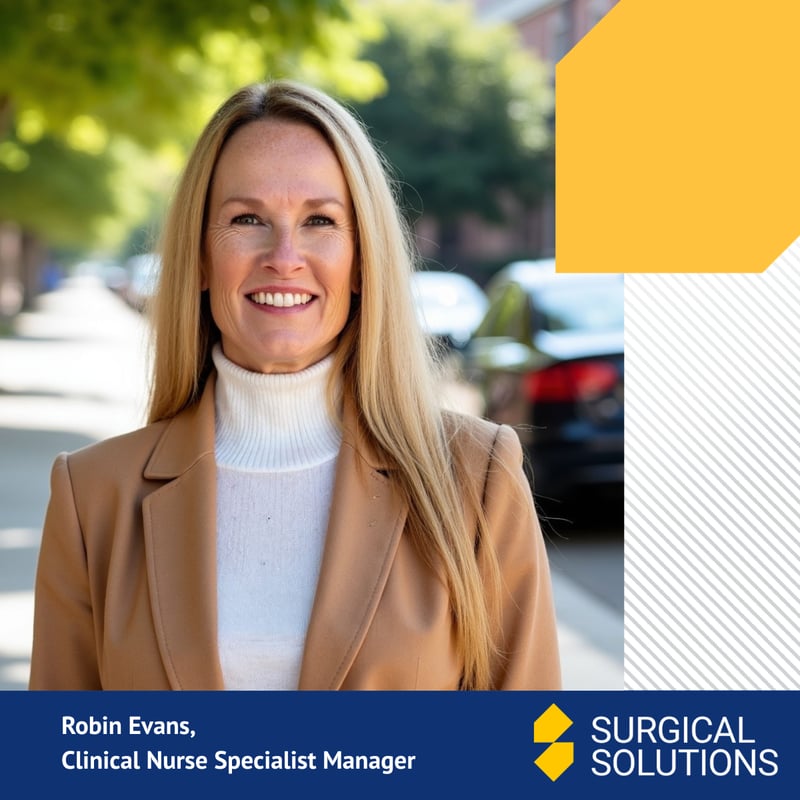
“Surveyors often ask very practical questions about everyday processes,” Evans said.
“They want to understand exactly how teams handle sterilization, instrument inspection, and infection control. If staff can’t clearly explain those processes, that’s when concerns start to surface.”
As hospitals prepare for accreditation surveys in 2026 and beyond, there are several areas where surveyors are paying more attention.
The shift reflects what we outlined in Accreditation 360: A New Era of Joint Commission Healthcare Accreditation, where inspections are increasingly focused on real operational practices rather than policy documentation.
Instrument Condition Is Under Greater Scrutiny
Instrument integrity is becoming a key focus during accreditation reviews. Surveyors are increasingly evaluating whether hospitals have robust processes for inspecting instruments and removing damaged devices from service.
Even small imperfections can create risks.
Divots, grooves, corrosion, or tape residue on surgical instruments can harbor bioburden, making proper cleaning more difficult and increasing the risk of infection.
Evans says this is one of the most common gaps she sees when helping hospitals prepare for inspections.
“We’re seeing surveyors look very closely at instrument condition,” she says.
“Even small divots or grooves can harbor bioburden. If an instrument is damaged, the expectation is that it’s removed from service and evaluated, not just cleaned and put back into circulation.”
Hospitals should ensure that sterile processing teams are trained to recognize when instruments should be removed from service and evaluated for repair or replacement.
Rust on Surgical Instruments Is More Than a Cosmetic Issue
Corrosion on surgical instruments is another issue that can raise red flags during accreditation surveys.
While some facilities attempt to remove rust during reprocessing, that approach isn’t always appropriate.
Repeated rust removal can indicate a deeper issue with instrument maintenance or lifecycle management.
“Some hospitals try rust removal repeatedly,” Evans said.
“Surveyors want to see that the team understand when an instrument needs to be sent for repair or replaced. Removing corrosion isn’t always the solution.
Sometimes the instrument has reached the end of its usable life.”
When rust appears, facilities should evaluate whether:
- The instrument can be safely restored;
- Professional repair services are needed; or
- The device should be removed from circulation.
Clear documentation and defined policies around instrument repair and replacement can help demonstrate compliance during surveys.
Surveyors Often Speak Directly with SPD Staff
Many accreditation findings occur not because policies are missing, but because staff cannot clearly explain their processes during interviews.
During a survey, inspectors may ask sterile processing technicians questions such as:
- How do you verify instruments are clean before sterilization?
- What steps do you take if a sterile package becomes compromised?
- How are instruments transported from the OR to sterile processing?
- How do you ensure sterilization parameters are met?
These questions are designed to confirm that staff are following established procedures and manufacturer instructions for use (IFUs).
“Surveyors aren’t just reviewing policies. They’re speaking with frontline staff,” Evans says.
“Technicians need to be able to explain their processes confidently and demonstrate that they’re following manufacturer instructions and facility protocols.”
Regular training, competency validation, and mock survey exercises can help teams feel more prepared for these interactions.
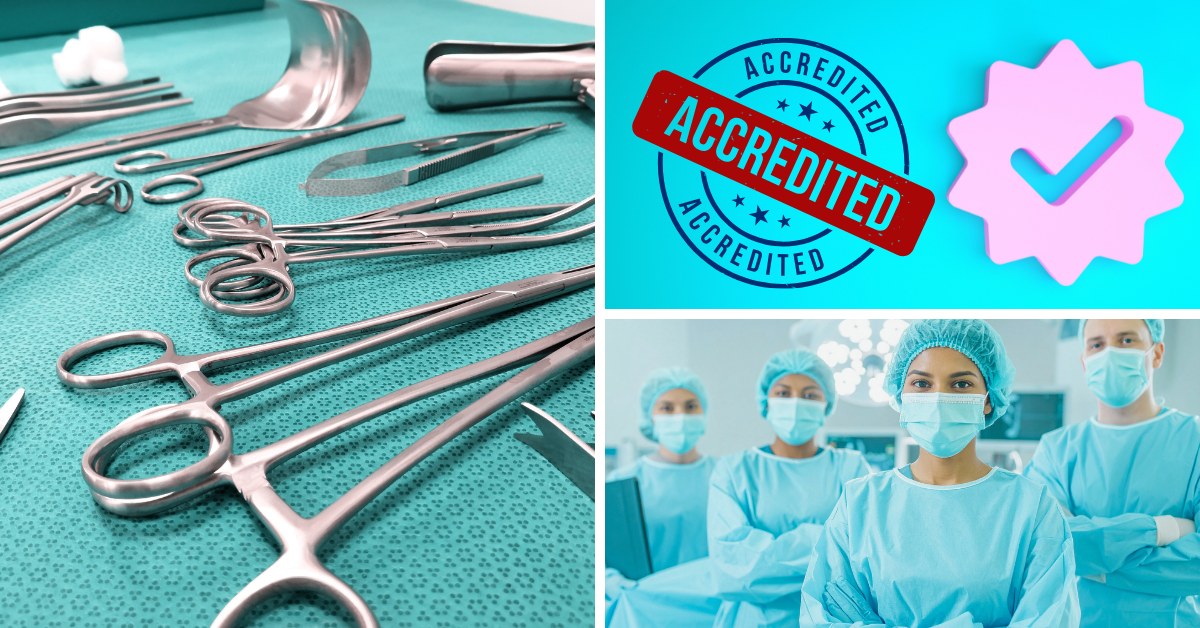
Documentation and Compliance Are Critical
As we discussed in our Accreditation 360: What Hospitals Need to Know About 2026 Accreditation Changes, surveyors are placing greater emphasis on infection prevention and sterile processing workflows.
Hospitals should be prepared to demonstrate:
- Sterilizer maintenance records;
- Biological monitoring documentation;
- Daily air removal testing for applicable sterilizers;
- Instrument tracking and repair records, and
- Policies aligned with manufacturer instructions for use.
Incomplete documentation can raise concerns even when processes are being followed correctly.
Evans notes that many hospitals benefit from reviewing their documentation processes well before a survey occurs.
“Sometimes the work is being done correctly, but the documentation isn’t organized or easy to access,” she says. “Surveyors want to see clear evidence that processes are monitored and maintained consistently.”
Transport and Storage Practices Matter
Another area surveyors evaluate is how sterile items and contaminated instruments move through the hospital environment.
Improper transport or storage can compromise sterility and increase the risk of infection.
Facilities should ensure that:
- Contaminated instruments are transported safely to sterile processing;
- Sterile items are protected during transport and storage;
- Packaging integrity is maintained, and
- Compromised packages are removed from circulation immediately
These practices demonstrate a strong infection prevention culture, which is a major focus of accreditation reviews.
Preparing for Accreditation Starts Before the Survey
Hospitals that approach accreditation preparation proactively are far more likely to avoid unexpected findings.
A comprehensive review of sterile processing operations can help identify risks related to:
- instrument inspection and maintenance
- sterilization documentation
- staff knowledge and training
- infection prevention practices
Through its Accreditation 360 program, Surgical Solutions partners with hospitals to evaluate these critical areas and help teams strengthen their readiness before surveyors arrive.
“Our goal is to help hospitals identify risks early,” Evans says. “When teams understand the standards and their processes are aligned with best practices, accreditation visits become much less stressful.”
Strengthening Your Sterile Processing Program
Sterile processing plays a vital role in patient safety and infection prevention. As accreditation standards continue to evolve, hospitals must ensure their processes, documentation, and staff training reflect current expectations.
Organizations that invest in proactive assessments, staff education, and instrument management programs are better positioned to succeed during accreditation surveys, and more importantly, to deliver safe patient care every day.
Continue the Accreditation 360 Series
Learn more about preparing your hospital for accreditation:
- What Hospitals Need to Know About 2026 Accreditation Changes
- A New Era of Joint Commission Healthcare Accreditation
- Download our Tip Sheet PDFs