

.png?height=200&name=Logo%20-%20Company%20Profile%20(1).png)
80% of New Year's Resolutions Fail by February. Break the Trend Now! At the beginning of every...
Connect with Surgical Solutions to start the conversation. January brings goals. February brings reality.
By month two of the year, the pace hasn’t slowed, but the optimism that often accompanies new initiatives may have. Case volumes remain high. Staffing challenges persist. Equipment maintenance needs did not disappear with a calendar reset.
The question isn’t whether your OR has goals for 2026.
The question is whether the systems supporting those goals are strong enough to sustain them.
February is an ideal time for a practical check-in before minor inefficiencies become major operational disruptions.
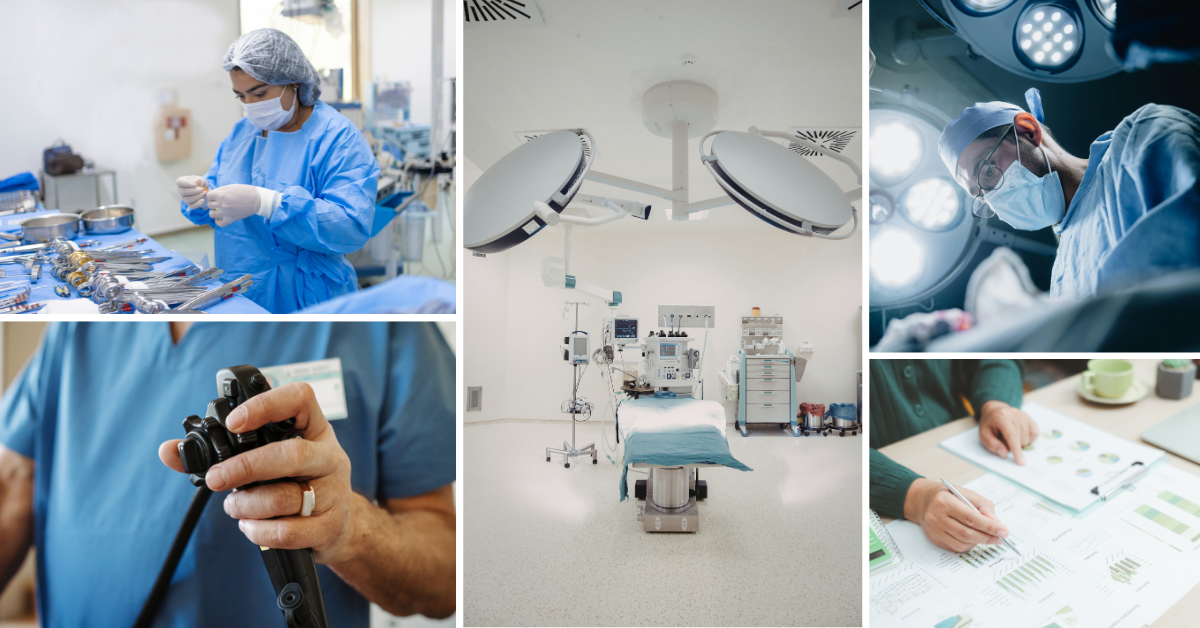
What a Healthy OR Looks Like Early in the Year
In a strong, well-supported surgical environment, you’ll typically see:
- Predictable turnover times
- Instruments available and functioning as expected
- Proactive maintenance rather than reactive repairs
- Alignment between SPD capacity and surgical demand
- Minimal last-minute scrambling
When these elements are in place, surgical teams can focus on patient care rather than operational friction. But when they start to drift, strain builds quietly.
5 Warning Signs Your Surgical Workflow Needs Attention
Operational issues rarely appear overnight. More often, they are small shifts that gradually compound.
Across the facilities we support, these early indicators often appear months before larger operational disruption.
1. Turnover Times Are Gradually Increasing
A few extra minutes between cases may not seem significant until it becomes business as usual. Incremental slowdowns often signal upstream challenges in instrument readiness, room setup coordination, or SPD throughput.
2. Repair Costs Trend Up
Unexpected repair escalations or recurring equipment issues can indicate gaps in proper handling and maintenance at any stage in the process. Waiting until something breaks is rarely cost-efficient.
3. Missing or Incomplete Sets Are More Common
When staff begin anticipating missing instruments as part of the workflow, that’s a systemic issue, not a one-off error. Over time, this hampers trust in processes and increases stress.
4. SPD Backlogs Are Quietly Growing
If sterile processing teams are consistently playing catch-up, the pressure inevitably spills into the OR. Sustainable surgical operations require alignment between volume and reprocessing capacity.
5. Overtime Is Increasing Without Clear Cause
Rising overtime often reflects workflow inefficiencies rather than staffing alone. Small delays compound across a full day of cases.
None of these signs alone may feel urgent. Together, they point to structural strain.
The Cost of Waiting
Operational friction rarely corrects itself. When small inefficiencies go unaddressed, they don’t stay small; they compound. What begins as a manageable workflow strain can evolve into:
- Increased staff frustration and burnout
- Surgeon dissatisfaction
- Budget overruns from reactive repairs
- Delayed cases and patient dissatisfaction
- Escalating overtime expenses
By the time these symptoms are formally recognized in quarterly reviews, the corrective lift is heavier. February presents a strategic window. It’s early enough in the year to recalibrate systems and prevent inefficiencies from becoming embedded in daily operations.
Strong year-end performance is rarely the result of reactive fixes. It’s built through early, intentional course correction.
Strengthening the Systems Behind the Scenes
A resilient OR isn’t built on speed alone. It’s built on predictability that comes from:
- Reliable instrument readiness
- Proactive maintenance programs
- Strong sterile processing alignment
- Workflow optimization that reduces bottlenecks
- Operational visibility into trends before they escalate
When these foundations are solid, surgical teams operate with greater confidence and fewer disruptions.
The goal isn’t perfection. It’s stability.
A Smart Time to Course-Correct
If you’re noticing early signs of strain in your OR or sterile processing department, now is the time to address them before they impact the rest of the year.
A focused operational review can uncover opportunities to:
- Reduce preventable delays
- Improve instrument availability
- Lower reactive repair costs
- Support staff efficiency
- Protect patient safety outcomes
The right support strengthens the heartbeat of your hospital quietly, consistently, and sustainably.
If your team is experiencing early-year friction, let’s talk through what you’re seeing and where targeted support could make an immediate impact.
Because strong surgical performance in December starts with smart decisions made in February.
Not sure where your biggest inefficiencies are coming from?
An operational review can uncover opportunities before they escalate.


.png?height=200&name=collab%20(3).png)
