
.png?height=200&name=case%20delays%20caused%20by%20what%20(1).png)

Case delays aren’t random, and they’re rarely unavoidable. In most hospitals, delays are the result...
How OR and SPD professionals can move beyond daily firefighting in 2026

The start of a new year often brings reflection, both personally and professionally. For hospital professionals, reflection often centers around career growth and improvement. You love the work, but not the struggles that come with it: workflows breakdowns, case delays, staff shortages, and the pressure of doing more with less.
In healthcare, New Year’s resolutions aren’t about starting fresh. They’re about deciding whether 2026 will look like another year of managing the same delays, or will this be the year meaningful change finally begins.
Studies show that most people lose interest in their New Year’s resolutions by the second week of January. Why? Because they are too big to achieve. The intention is there, but the time and energy to focus on real change gets caught up in the daily reality.
Not this year. This year, things will be different. Here’s why:
- Accept the fact that taking small, intentional steps adds up over time.
- Visualize improvements in daily operations
- Know when (and how) to ask for help when needed
Let's dig deeper.
When “Improving Work Life” Becomes a Career Goal
Research consistently shows that improving work life ranks among the most common New Year’s resolutions, just behind health and money goals. For OR and SPD leaders, that goal is deeply tied to professional impact.
Improving work life doesn’t mean working less. It means reducing friction:
- Fewer case delays
- More predictable surgical days
- Less rework and last-minute scrambling
- Greater confidence in processes and outcomes
For many hospital professionals, this is also a career resolution: becoming the leader who moves beyond managing problems to solving them.
 The Real Barrier to Improvement: Doing Things the Same Way
Case delays, missing instruments, and inefficient workflows rarely persist because teams don’t care. They persist because systems stay the same, even when it’s clear they aren’t working.
One of the most difficult professional challenges in perioperative services is pushing past the mindset of “this is just how it is.” Real improvement requires questioning long-standing processes and being willing to approach problems differently.
That shift from accepting inefficiency to challenging it is what separates task managers from change agents.
Become a Change Agent
For OR and SPD leaders, one of the most impactful New Year’s resolutions isn’t a single initiative. It’s a mindset.
Change agents:
- Look for root causes instead of quick fixes
- Use data to support decisions
- Learn from peers facing similar challenges
- Focus on sustainable improvement, not temporary relief
This kind of leadership takes time and effort, but it’s also what leads to measurable gains in efficiency, predictability, and team trust.
Learning as a Tool for Real Progress
Meaningful change doesn’t happen overnight, and it doesn’t happen in isolation. Many hospital leaders who successfully improve operations start by learning what has worked elsewhere and what hasn’t.
In 2025, OR and SPD professionals across the country turned to practical insights to help them navigate staffing pressures, instrument challenges, and perioperative inefficiencies. These weren’t theoretical ideas; they were real-world lessons drawn from real hospital environments.
Get started now! We’ve compiled the most-read articles from last year to support professionals who want to keep their resolutions realistic and actionable. Check out:
👉 What OR and SPD Leaders Were Reading in 2025
Continue the Conversation: Practical Change for 2026
For OR and SPD professionals who want to move beyond firefighting and start driving meaningful change, learning from peers and proven approaches matters.
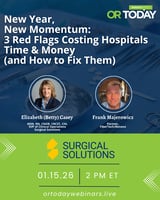
That’s why we’re hosting an upcoming webinar in partnership with OR Today to focus on practical ways to improve efficiency, reduce delays, and make perioperative days more predictable without trying to fix everything at once.
👉 Register now to join the conversation and start 2026 with ideas you can apply immediately.

.png?height=200&name=OpsGuard%20announcement%20(1).png)