

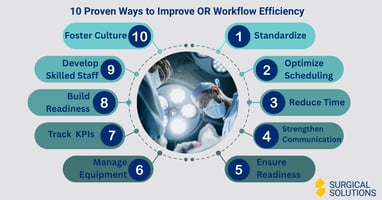

A single delayed first case at 7:30 AM can cascade into a two-hour backlog by mid-afternoon,...
A surgical site infection occurs when bacteria enter the body through a surgical incision, causing infection in the skin, deeper tissues, or organs involved in the procedure. These infections occur in roughly 2 to 4 percent of all inpatient surgeries, making them the most common preventable complication after surgery.
The frustrating part? Most SSIs don't have to happen. Here is the download of all things SSIs: the causes of surgical site infections, how to recognize them, and clinical best practices to reduce risk across preoperative, intraoperative, postoperative, and sterile processing workflows.
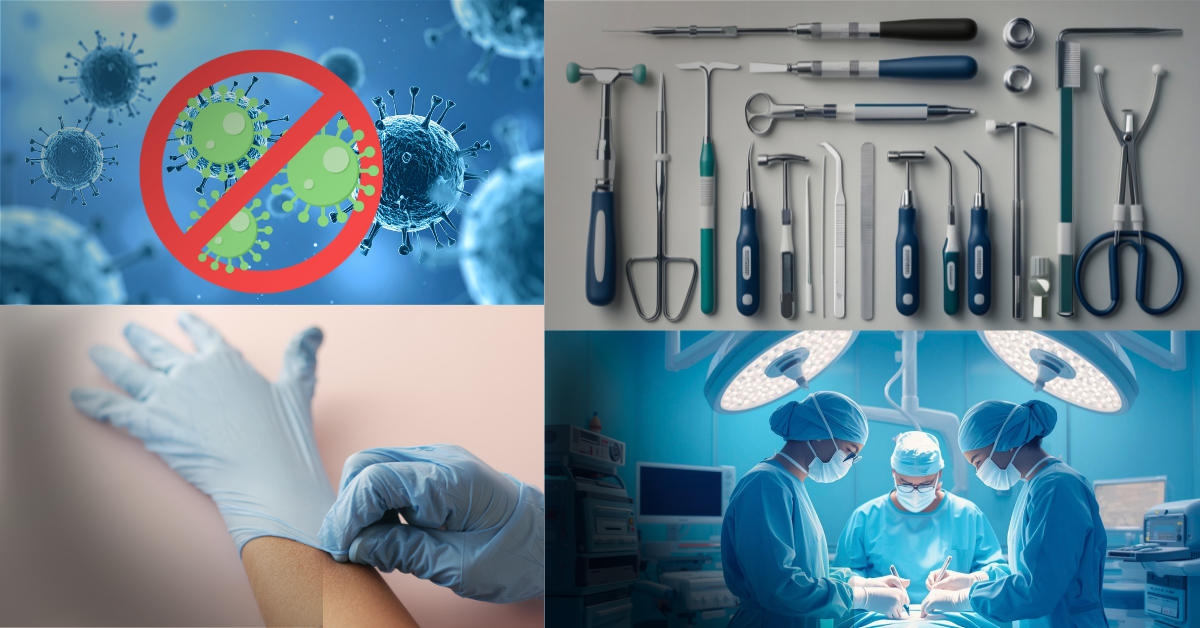
What Is a Surgical Site Infection?
A surgical site infection, or SSI, is an infection that develops at the site of surgery. Bacteria, most commonly Staphylococcus aureus, enter through the incision and multiply in the wound or surrounding tissue. Most SSIs show up within 30 days of the operation. When surgery involves an implant, such as a hip replacement or a pacemaker, that window stretches to a full year.
What makes SSIs so frustrating is that they're largely preventable. The bacteria have to get in somehow, and in most cases, something in the workflow allowed it to happen.
Types of Surgical Site Infections
SSIs fall into three categories based on how deep the infection goes. The depth determines how serious it is and what treatment looks like.
-
Superficial Incisional SSIs. A superficial SSI stays in the skin and the thin layer of fat just beneath it. It's the least severe type, accounting for over 50% of cases, and often clears up with oral antibiotics and basic wound care in an outpatient setting.
-
Deep Incisional SSIs. Deep infections reach into the muscle and fascia below the incision. Treatment typically requires IV antibiotics and sometimes surgical drainage to remove infected tissue.
-
Organ or Space SSIs. The most serious type involves infection in a body organ or cavity that was touched during surgery. Organ or space SSIs often mean hospitalization, IV antibiotics, and potentially another trip to the operating room.
| SSI Type | Location | Typical Treatment |
|---|---|---|
| Superficial Incisional | Skin and subcutaneous fat | Oral antibiotics, outpatient care |
| Deep Incisional | Muscle and fascia | IV antibiotics, possible surgery |
| Organ/Space | Body organ or cavity | Hospitalization, often reoperation |
Signs and Symptoms of a Surgical Site Infection
Symptoms usually appear between three and seven days after surgery, though they can show up anytime within 30 to 90 days, depending on the procedure.
The warning signs to watch for:
- Discharge: Thick, cloudy, or foul-smelling drainage from the wound
- Redness and heat: Discoloration spreading beyond the incision line, or skin that feels warm
- Pain: Tenderness or worsening pain at the surgical site
- Systemic symptoms: Fever above 101°F, chills, or unusual fatigue
Any of these signs warrants a call to the surgical team. Catching an SSI early makes treatment simpler and outcomes better.
What Causes Surgical Site Infections
Bacteria cause SSIs by entering the wound during or after surgery. The usual culprits are Staphylococcus aureus, Streptococcus species, and gram-negative bacteria.
Where do the bacteria come from? A few common sources:
- Patient's own skin flora: The most frequent source of contamination
- Surgical instruments: When sterilization or handling falls short
- Operating room environment: Airborne particles, surfaces, traffic through the room
- Healthcare personnel: Through breaks in sterile technique
Understanding the entry points is the first step toward blocking them.
Risk Factors That Increase SSI Likelihood
Some risk factors can be addressed before surgery. Others cannot. Knowing the difference helps surgical teams focus prevention efforts where they'll actually make a difference.
Patient-Related Risk Factors
- Age: Older patients tend to heal more slowly and have weaker immune responses
- Diabetes: High blood glucose impairs immune function and tissue repair
- Obesity: Larger incisions and reduced blood flow to fatty tissue
- Smoking: Constricts blood vessels and slows healing
- Immunocompromised state: From disease or medications
- Malnutrition: Inadequate protein and nutrients for wound healing
Procedure-Related Risk Factors
Longer surgeries mean more exposure time. Emergency procedures leave less time for preoperative optimization. Implants provide surfaces where bacteria can colonize. And hair removal with razors—rather than clippers—creates micro-abrasions that harbor bacteria.
Environmental and Operational Risk Factors
Every time the OR door opens, airborne contamination increases. Inadequate ventilation compromises air quality. Instrument contamination from improper sterilization or handling creates direct pathways for bacteria. Any break in sterile technique opens the door.
Here's a question worth asking:
Are your OR workflows helping prevent infection, or inadvertently increasing exposure?
The Clinical and Financial Impact of SSIs on Hospitals
The Problem: SSIs extend hospital stays, are the leading cause of surgical readmissions, and in severe cases contribute to patient mortality.
The Impact: Each SSI adds $30,689 in incremental cost through extended care, additional procedures, and potential litigation. CMS penalizes hospitals with high SSI rates by applying a 1-percent payment reduction to all Medicare fee-for-service payments. Reputational damage can affect patient volume for years.
The Fix: Prevention costs far less than treatment. Hospitals that invest in systematic SSI prevention, from preoperative optimization through sterile processing, see returns in reduced complications, shorter stays, and protected reimbursement.
Preoperative Strategies to Prevent Surgical Site Infections
Prevention starts before the patient enters the operating room. Evidence-based strategies address modifiable risk factors and set up a clean surgical field.
-
Optimize Patient Health Before Surgery. For elective procedures, there's time to address controllable factors. Blood glucose optimization for diabetic patients, smoking cessation, nutritional support, and treatment of existing infections all reduce SSI risk.
-
Standardize Skin Antisepsis and Hair Removal. Chlorhexidine-based skin preparation has become the standard for surgical antisepsis. When hair removal is necessary, clippers—not razors—are the evidence-based choice. Razors create micro-cuts that become bacterial reservoirs.
-
Administer Timely Antimicrobial Prophylaxis. Antimicrobial prophylaxis refers to preventive antibiotics administered before surgery. Timing matters: administration within the hour before incision provides optimal tissue concentration. Appropriate discontinuation of prophylaxis after surgery helps prevent antibiotic resistance.
-
Confirm Instrument and Tray Readiness. Verifying that sterilized instruments are complete, properly processed, and matched to surgeon preference cards prevents last-minute scrambles. When staff rush to find missing instruments, sterile technique often suffers.
Intraoperative Best Practices for SSI Prevention
What happens during surgery determines whether the sterile field stays intact.
-
Maintain Sterile Technique and OR Discipline. Proper gowning, gloving, and draping create the sterile field. Maintaining it requires discipline from everyone in the room—minimizing unnecessary movement, avoiding contamination of sterile surfaces, and consistent adherence to aseptic protocols.
-
Control Normothermia, Glycemia, and Oxygenation. Maintaining normal body temperature (normothermia), blood glucose levels, and adequate oxygen delivery during surgery supports immune function and wound healing. When any of these drift out of range, the body's ability to fight bacterial contamination drops.
-
Limit OR Traffic and Door Openings. Every door opening disrupts airflow and introduces airborne particles. Reducing unnecessary personnel movement protects the sterile field throughout the procedure.
-
Verify Sterilization and Instrument Integrity. Before instruments reach the surgical field, biological indicators confirm sterilization worked. Visual inspection confirms the instrument's condition and the integrity of the sterile packaging. This verification step is typically managed by the sterile processing department (SPD) and is the last line of defense before instruments contact the patient.
Postoperative Care to Reduce SSI Risk
The surgical wound remains vulnerable after the procedure ends. Proper postoperative care protects the healing incision until the body's natural defenses take over.
-
Wound and Dressing Management. Sterile dressing changes, proper wound care technique, and keeping the incision clean and dry all support healing. The first 24 to 48 hours are particularly critical as the wound begins to seal.
-
Patient and Caregiver Education. Clear discharge instructions make a difference. Patients and caregivers who understand the warning signs of infection—and know when to contact their healthcare provider—catch problems earlier.
-
Surveillance and Early Detection. Hospital surveillance programs track SSI rates and identify patterns that might indicate systemic issues. Early identification of infection as it develops improves outcomes and provides data for continuous improvement.
How Sterile Processing Drives SSI Prevention
The sterile processing department is often called the "heart of the hospital" for good reason. Every surgical instrument passes through SPD, and the quality of that processing directly affects SSI risk.
-
Decontamination and High-Level Disinfection. Decontamination removes organic material and bioburden from instruments after use. High-level disinfection (HLD) eliminates most microorganisms from items that cannot withstand sterilization. Both processes are essential because bioburden left on instruments can survive even proper sterilization cycles.
-
Endoscope Reprocessing and Leak Testing. Endoscopes present unique challenges due to their complex internal channels. Proper reprocessing includes manual cleaning, leak testing to detect damage, high-level disinfection, and thorough documentation. Shortcuts at any step increase the risk of infection.
-
Tray Completeness and Sterilization Verification. Missing instruments cause delays. Delays cause stress. Stress leads to workarounds that can compromise sterile technique. Biological monitoring, chemical indicators, and documentation verify that every tray is complete, properly sterilized, and ready for use.
Treating Surgical Site Infections
When prevention fails, prompt treatment limits damage.
-
Antibiotic Therapy. Antibiotics are the first-line treatment for most SSIs. Superficial infections often respond to oral antibiotics, while deeper infections typically require IV administration. Culture-guided therapy, or selecting antibiotics based on the specific bacteria identified, improves effectiveness.
-
Surgical Debridement and Drainage. When infection involves pus collection or dead tissue, surgical intervention may be necessary. Drainage of abscesses and removal of necrotic tissue allow antibiotics to work more effectively.
-
Advanced Wound Care and Supportive Treatment. Severe infections may require negative-pressure wound therapy, specialized wound packing, nutritional support, and aggressive management of underlying conditions such as diabetes.
Regulatory Standards and Compliance for SSI Prevention
SSI rates affect hospital accreditation, reimbursement, and public reporting. The Joint Commission, DNV, CDC, and CMS all maintain standards related to infection prevention.
Mandatory reporting requirements mean SSI data becomes public. High rates trigger scrutiny during surveys and can result in findings that require corrective action.
Build a Stronger SSI Prevention Program with the Right Partner
SSI prevention requires coordination across preoperative, intraoperative, postoperative, and sterile processing workflows. No single department owns the problem, which means no single department can solve it alone.
For hospitals facing SPD leadership gaps, compliance pressures, or operational instability, an embedded partner can provide the expertise and consistency that internal teams may lack. The difference between a transactional vendor and a true partner shows up in outcomes: survey readiness, OR efficiency, and lower infection rates.
See How Surgical Solutions Works.

Frequently Asked Questions about Surgical Site Infections
How do you treat a deep surgical site infection?
Deep SSIs typically require intravenous antibiotics and may need surgical drainage or debridement to remove infected tissue, depending on severity and response to initial treatment.
What are the most common hospital-acquired infections?
The most common healthcare-associated infections include surgical site infections, catheter-associated urinary tract infections, central line-associated bloodstream infections, and ventilator-associated pneumonia.
How long after surgery can a surgical site infection develop?
Most SSIs appear within 30 days of surgery, though infections involving implants can develop up to a year after the procedure.
How does sterile processing affect SSI rates?
Proper sterile processing ensures instruments are thoroughly decontaminated, sterilized, and verified before use, directly reducing the risk of introducing bacteria into the surgical site.